May 4, 2026 • Marcus Delray • 8 min reading time • Prices verified June 4, 2026
Kids' Soccer Cleats Without the Guesswork: A Parent's Fit-First Guide to FG, TF, and Indoor
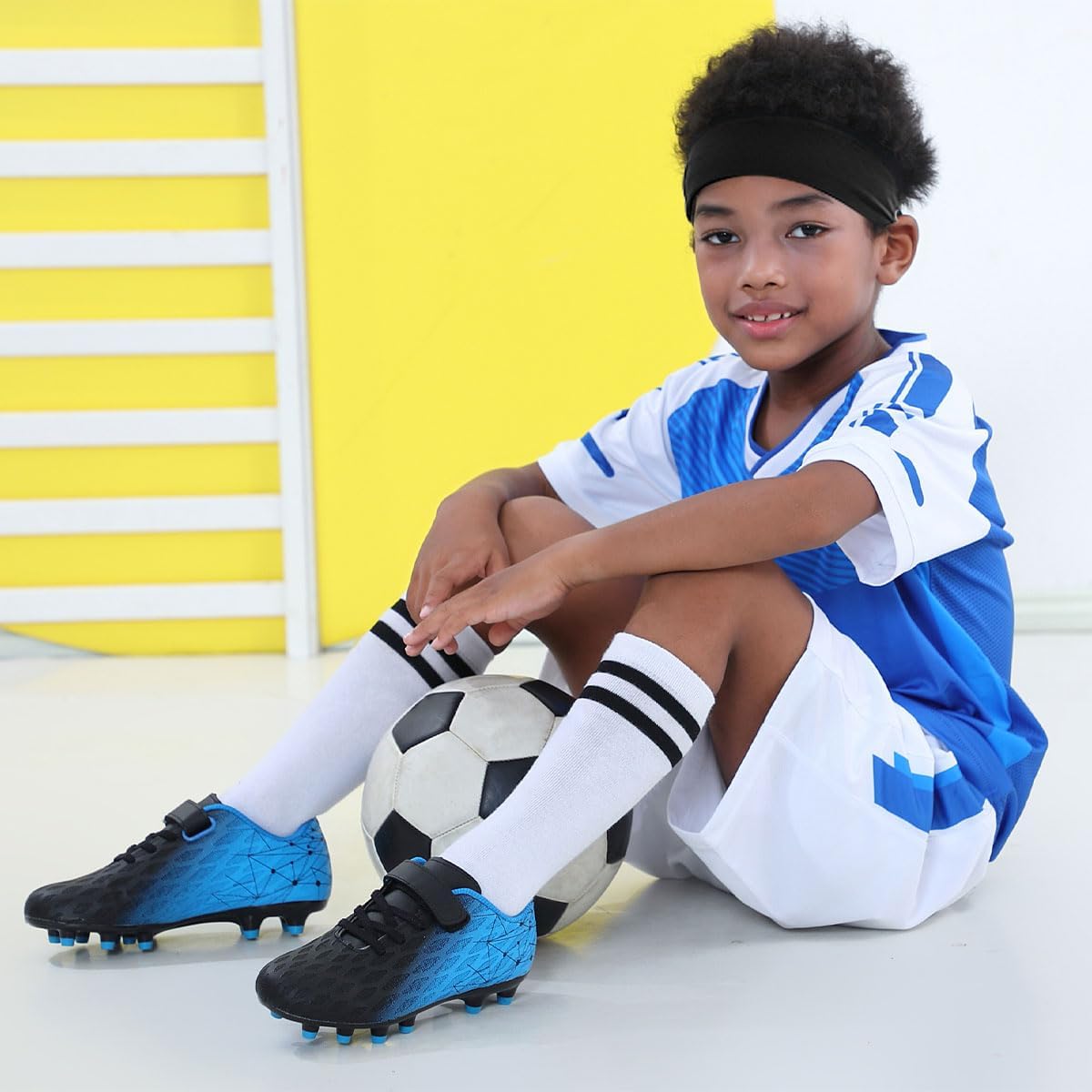
If you’ve ever stood in a sporting-goods aisle holding two boxes of cleats — one labeled “FG” and one labeled “TF” — while your kid bounces impatiently beside you, this guide is for you. Cleats are the specialized shoes soccer players wear on grass and artificial turf; the letters on the box tell you which surfaces they’re designed for. Buy the wrong type, and your child won’t grip the ground correctly, which affects both performance and safety. Buy the right type in the wrong size, and you’ve done the same damage in a different direction. This guide walks you through the three main surface categories — firm ground (FG), turf (TF), and indoor (IC/IN) — explains why fit matters more than brand name at youth sizes, and gives you a clear decision framework so you leave the store (or close the browser tab) confident instead of guessing.
Surface Type First: Getting This Wrong Costs More Than Money
The single most common mistake parents make is buying on aesthetics or price before answering the surface question. Here’s why that matters beyond just traction.
Firm Ground (FG) cleats have a set of molded plastic or rubber studs — usually 12–16 conical or bladed pegs — designed to penetrate natural grass. On hard artificial turf, those studs concentrate pressure on a small area, which means uneven loading on developing joints. US Youth Soccer’s equipment guidelines specifically note that using FG-only studs on hard artificial surfaces is a contributing factor in lower-leg discomfort among youth players. These are the boots you want for weekend games on a maintained grass pitch or a lush training ground.
Turf (TF) shoes have dozens of short rubber nubs distributed across the entire outsole. That distributed grip pattern is engineered for the abrasive, firm surface of older 3G and 4G artificial pitches — the kind you’ll find on most urban practice fields and indoor-outdoor multi-use facilities. They look like sneakers with a bumpy sole. SoccerBible’s youth boot buying guide consistently emphasizes TF shoes as the most practical all-purpose option for kids who practice three days a week on artificial turf and play matches on natural grass occasionally, because the flat profile is safe on both — you lose a small amount of grip on wet natural grass, but you gain durability and versatility.
Indoor (IC/IN) shoes have a flat, gum-rubber sole designed for hard gymnasium floors or synthetic indoor courts. They are not interchangeable with outdoor shoes. The rubber compound is optimized to grip sealed floors and will wear down quickly outdoors; conversely, outdoor shoes on gym floors are a slip-and-fall hazard and often prohibited by facility rules.
The practical tradeoff:
| Surface Type | Best For | Acceptable On | Avoid On |
|---|---|---|---|
| FG (molded studs) | Natural grass, soft ground | Occasionally on short-pile AG turf | Hard 3G turf, indoor, concrete |
| TF (rubber nubs) | Artificial turf, hard dirt | Short dry grass, multipurpose | Gymnasium floors |
| IC (flat gum sole) | Indoor gyms, futsal courts | N/A | Any outdoor surface |
If your child plays in one league on natural grass, get FG. If they practice on turf most of the week and play league matches on grass, a quality TF or an AG (artificial grass) rated boot covers both. If they’re in a winter futsal or indoor league, that demands a true IC shoe — it’s not optional.
The Fit Trap: Why Youth Sizing Is a Different Problem Than Adult Sizing
Here’s where parents lose the most money. Youth cleats — especially at the $35–$80 entry tier where most families shop — are not simply smaller versions of adult boots. The last shape (the three-dimensional foot-shaped mold the shoe is built around) often differs between brands, and those differences are magnified in narrow youth lasts versus the wider, fuller feet many children actually have.
FootballBoots.co.uk’s youth buying guide makes the point directly: a child’s foot is proportionally wider in the forefoot relative to heel length than an adult’s, yet many youth cleats — especially those styled after elite-tier speed boots — are built on a narrow, tapered last to replicate the adult visual aesthetic. The result is toe compression that can go unnoticed because children often can’t articulate discomfort the way adults can. They just stop running hard.
What to do about it:
-
Measure in the afternoon. Feet swell during the day. The American Academy of Pediatrics’ guidance on youth footwear recommends measuring children’s feet later in the day and wearing the type of sock they’ll actually use during sport.
-
The thumb-width rule. There should be roughly one thumb’s width (about 10–12mm) between the longest toe and the end of the cleat. Children’s feet grow fast; you’re not buying a forever boot, but you’re also not buying something they’ll trip over.
-
Width is the most underserved variable. Brands do not consistently publish youth width options the way they do for adults. Nike’s Mercurial Junior line runs narrow — reviewers at SoccerBible and FootballBoots.co.uk both note this consistently in youth-size coverage. Adidas Copa and New Balance’s youth options tend to run slightly wider. If your child has a wider forefoot, prioritize Copa-family or New Balance entries and size up half a size in Nike products.
-
Don’t trust the published size chart across brands. A US youth size 4 in Adidas does not always match a US youth size 4 in Nike. Footwear News’ 2025 youth athletic footwear market coverage highlighted inconsistent last standardization as a persistent return-driver in online youth cleat purchases. When buying online, read owner reviews specifically for sizing commentary, not just the star rating.
-
The “grow room” gamble. Buying a full size up to get an extra season out of a boot is a fit compromise, not a savings strategy. A boot that’s too long alters how a child strikes the ball and increases the risk of blisters and ankle instability. One thumb’s width forward is the maximum; beyond that, you’re changing how they move.
Budget Tiers Without Illusion: Where the Money Actually Goes
Let’s be honest about what price buys you in youth cleats, because the upgrade math works differently here than it does in adult elite boots.
$35–$65 (Entry tier): This is where most youth purchases land, and it’s largely the right call. At this price point — Nike Jr. Tiempo Legend Club, Adidas Predator Club, Puma King Match Jr. — you’re getting a synthetic upper, a basic FG or TF outsole, and a fit that works for most foot shapes. The materials are less refined than adult equivalents, but for a child who will outgrow the boot in 6–10 months, the cost-per-match math almost always favors staying here. Reviewers at FootballBoots.co.uk note that entry-tier youth cleats have improved meaningfully in outsole durability over the past few years; the $45 boot from 2022 and the $45 boot in 2025 are not the same product.
$80–$130 (Mid-tier): The Adidas Copa Pure.2 Club Youth, Nike Phantom GX Academy Junior, Puma Future Play — these offer better upper materials (thinner, more tactile synthetics), improved outsole geometry, and closer-to-adult last shapes. The right buyer here is a dedicated club player aged 10–14 who trains four-plus days a week and whose foot has stabilized enough that the boot will last a full season. If your child is still in rapid growth phases (most kids under 10), the entry tier is the smarter spend.
$150+ (Junior elite): Youth versions of the Mercurial Superfly, Predator Elite, or Future Ultimate exist and are genuinely impressive — thinner materials, more responsive plates. But the honest case for spending here is narrow. It requires a child old enough that a single pair will last at least one full season, a foot stable enough for precision fit, and enough technical development to notice the difference a responsive plate makes. US Youth Soccer’s equipment guidelines make no premium recommendation for players under 12; the priority at early ages is surface-correct, well-fitting footwear, not elite-tier materials.
By the numbers:
- Average youth cleat lifespan before outgrown: 6–10 months (ages 6–12); 10–14 months (ages 13–16)
- Entry-tier cost per month of use: ~$4–$8
- Mid-tier cost per month of use: ~$8–$15
- The upgrade pays off when: a full season of use is realistic AND the player is technically developed enough to feel the difference
The Decision Framework: If X, Then Y
You’ve read this far, so let’s close with a clear map.
If your child is under 10 and plays on artificial turf most of the time: Buy a TF shoe in the $35–$55 range. Fit correctly, replace when outgrown. Don’t optimize for brand. Do optimize for width if their foot is wide — lean toward Adidas Copa Jr. or New Balance.
If your child is 10–14, plays club soccer, and trains on turf but plays matches on grass: An AG-rated boot (which combines a lower stud count with a turf-safe outsole geometry) or a quality TF is your most versatile option. Mid-tier pricing is justified here if the boot will last a full season. Check width carefully — this is the age where narrow-last speed boots get aspirationally purchased and quietly abandoned.
If your child is in a winter indoor or futsal league: Buy a dedicated IC shoe. Do not substitute TF or FG; most facilities require it and safety is the real argument.
If you’re buying for a teenager in elite club or academy settings: The mid-to-upper tier is fair game. Prioritize last fit above model tier — a Copa Pure.2 that fits perfectly will serve your player better than a Mercurial Elite that cramps the toes. Read owner sizing reviews before purchasing online. Budget for two pairs if they play FG league and train on TF regularly; using one boot on both surfaces shortens the lifespan of both.
The rule that supersedes all others: Surface-correct first. Fit-correct second. Brand and price third. Get the first two right and the third question mostly answers itself.